Elevate Your Garden with Eco-Friendly Landscaping Techniques Aug 22, 2026
The first step in eco-friendly landscaping is to carefully select your plants. Native plants are a fantastic choice as they are well-adapted to the local climate and soil conditions, which means they require less water and maintenance. Moreover, they provide essential habitat and food for local wildlife, thereby promoting biodiversity. Consider integrating plants like butterfly weed, purple coneflower, and eastern red columbine, as these are not only native but also bring vibrant color and life to your garden.
Water conservation is another critical aspect of eco-friendly landscaping. Traditional irrigation methods can be wasteful; therefore, rainwater harvesting systems and drip irrigation are excellent alternatives. Installing a rain barrel can collect run-off water from your roof, which can be used to hydrate your plants during dry spells. Drip irrigation systems deliver water directly to the roots, minimizing evaporation and ensuring efficient water use. These methods not only conserve water but also save you money in the long run.
Another technique Francos Landscaping advocates is the use of mulching. Organic mulch helps to retain soil moisture, suppress weeds, and improve soil quality as it breaks down. By mulching your garden beds, you create a more hospitable environment for beneficial microorganisms and reduce the need for chemical fertilizers. Additionally, choosing recycled materials such as repurposed wood chips for mulching supports sustainable practices.
In your efforts to elevate your garden, consider creating a food forest—an edible landscape that mimics the structure of a natural forest. Incorporating fruit trees, shrubs, ground covers, and vines that produce food not only adds to the diversity of your garden but also supports self-sufficiency. Plants like blueberry bushes, grapevines, and apple trees are great options for an edible landscape, providing you with fresh produce right from your backyard.
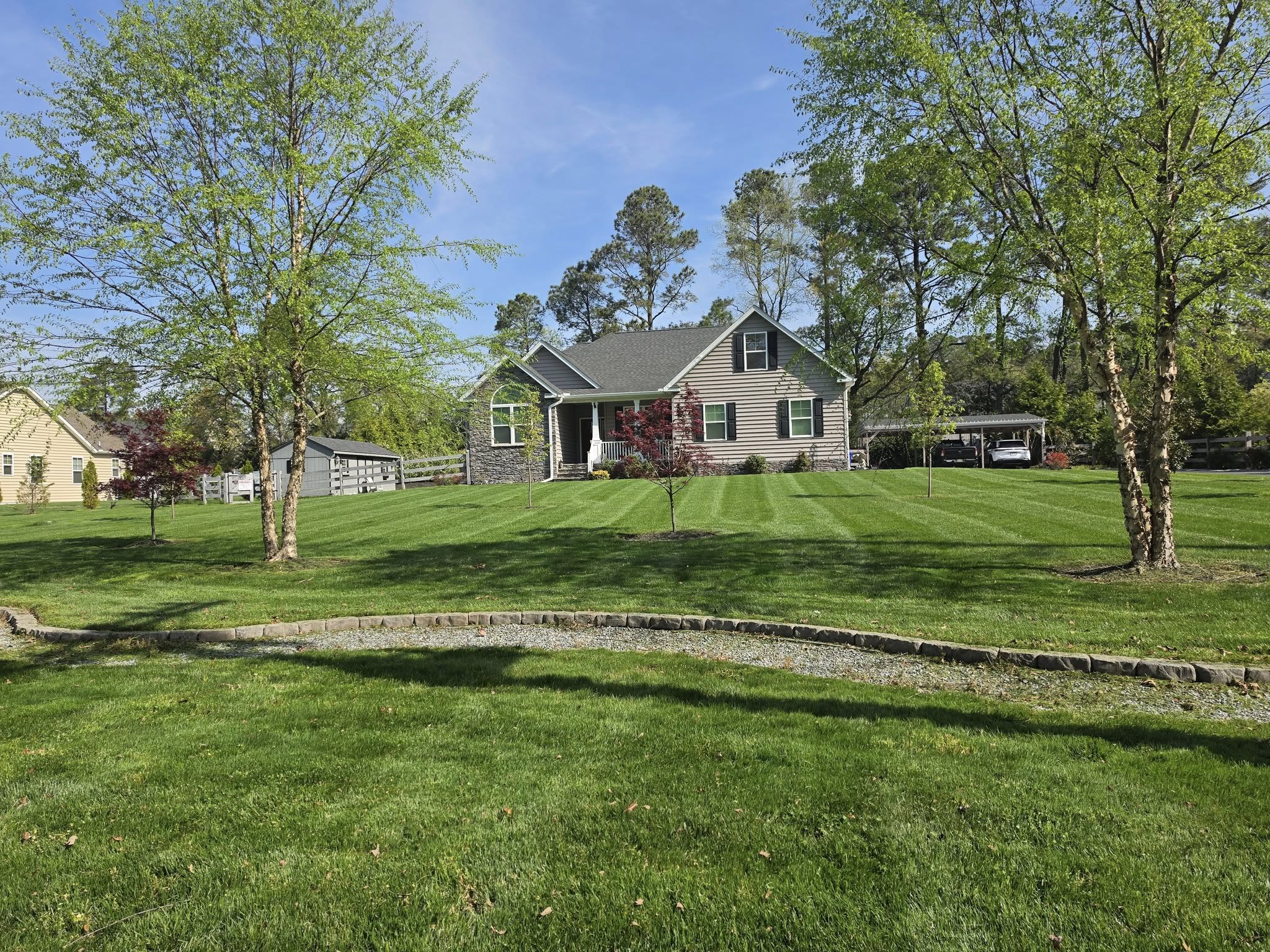
Moreover, minimizing lawn areas wherever possible can significantly reduce the use of fertilizers and pesticides. Lawns typically consume a substantial amount of water and often do not support biodiversity. Replacing portions of your lawn with ornamental grasses, ground covers, or even installing a rock garden with drought-resistant plants offers an attractive and eco-friendly alternative.
Finally, integrating hardscaping elements can enhance the functionality and sustainability of your garden. Using permeable paving solutions like gravel or pervious concrete allows rainwater to naturally infiltrate the ground, reducing runoff and erosion. Additionally, using recycled or locally sourced materials for patios, walkways, or retaining walls can further support sustainable initiatives.
Eco-friendly landscaping is not just about committing to more sustainable practices; it’s about creating a space that harmonizes with the natural world. By adopting these techniques, you can enjoy a lush, thriving garden that inspires and benefits the environment. At Francos Landscaping, we are dedicated to helping you design and implement a landscape that is not only beautiful but also kind to our planet. Let us assist you in transforming your outdoor space into an eco-friendly haven, where nature thrives and beauty abounds.
/filters:no_upscale()/filters:format(webp)/media/5813c0de-be2d-48a3-b6e0-cb66564ff945.jpeg)